Category: Latest News
-
James Webb Telescope Finds Possible Atmosphere on Hell Planet 55 Cancri e

In a study published in Nature, scientists using the James Webb Space Telescope (JWST) have found strong evidence of an atmosphere around 55 Cancri e, a rocky exoplanet often described as a “hell planet” due to its extreme conditions. This discovery marks a significant step in exoplanetary science, providing the…
-
Dr. Philip Mansfield Gives Talk on Dark Matter at Rye Country Day School

On May 28th, 2024, Dr. Philip Mansfield, from the Kavli Institute for Particle Astrophysics and Cosmology (KIPAC) at Stanford, gave a talk to RCDS students titled “Why Dark Matter Is Real and Why It Matters,” hosted by the RCDS Physics and Astronomy Clubs. In his engaging presentation, Dr. Mansfield tackled…
-
World Quantum Day: What are quantum mechanics and quantum computing, and how do they work?

World Quantum Day, celebrated globally on April 14th, is a significant event that aims to raise awareness and deepen understanding of quantum sciences and technology. But what exactly is the quantum phenomenon all about? When we think of physics, we often envision Newtonian (or classical) physics: the familiar, macroscopic physics…
-
Breaking News: Successful Transplantation of Pig Kidney into Human

Article originally written by Juliette Moore ’27 In the United States, more than 100,000 people are waiting for an organ transplant, and 17 people die everyday waiting for an organ. Kidneys are the most common organs needed for a transplant. Recently, a significant advancement was made in this field with…
-
New Findings on the Impact of Micro plastics on Heart Attacks and Strokes
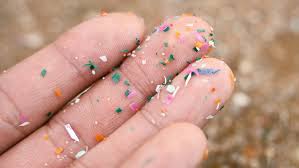
Article originally written by Josie Choi ’26 In a world filled with plastic, from the food packaging we throw out to the polyester fibers woven into our clothing, the omnipresence of micro plastics has long been a cause for concern. Now, a groundbreaking study published by the New England Journal…
-
Solar Eclipse Special Edition: Why is the eclipse on April 8 so special?

Article originally written by Sejal Mackey ’27. The excitement and craze surrounding the eclipse was pretty hard to miss this past month and for good reason. On April 8th, an estimated 32 million people were in the path of totality for a rare solar eclipse, with a remaining 301 million…
-
Navigating the Mindful Path: Unraveling the Impact of Mindfulness on Athletes’ Performance and Mental Well-being

Article originally written by Jenny Xu ’27. In the bustling world of sports psychology, a quiet but profound revolution is stirring- a revolution that champions the transformative power of mindfulness in shaping athletes’ performance and fortifying their mental resilience. In recent years, mindfulness-based interventions (MBIs) have emerged as a beacon…
-
Solar Eclipse Special Edition: The Physics Behind Solar Eclipses
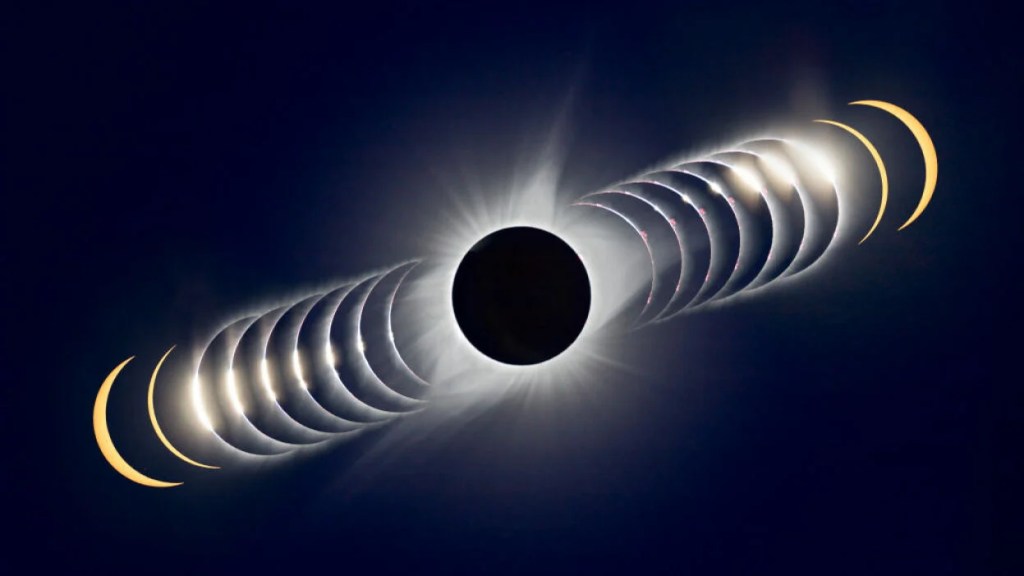
Article originally written by Mei Macintyre ’26 and Emily Williams ’26. Do you remember the 2017 and 2024 eclipses? They may have seemed like magical events, but do you know the scientific explanation behind these natural wonders? Here, we will explore and explain the fascinating physics behind solar eclipses. To…
-
Solar Eclipse Special Edition: Why Do Solar Eclipses Occur and How Should We Safely View Them?
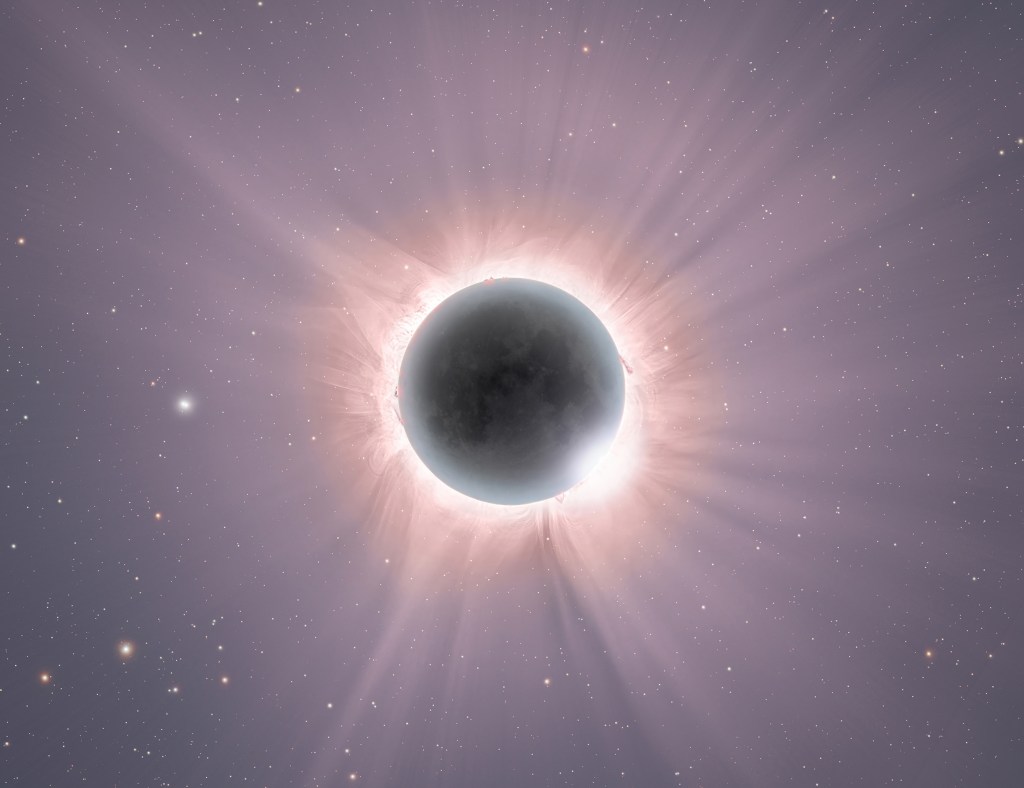
Article originally written by Aarush Dey ’27. Solar eclipses are rare celestial events that occur when the Moon passes between the Earth and the Sun, casting its shadow on Earth. This alignment creates a remarkable visual spectacle, but understanding the science behind it is essential for safe observation. How Do…
-
NASA experiment explores how lunar dust interacts with astronauts and equipment
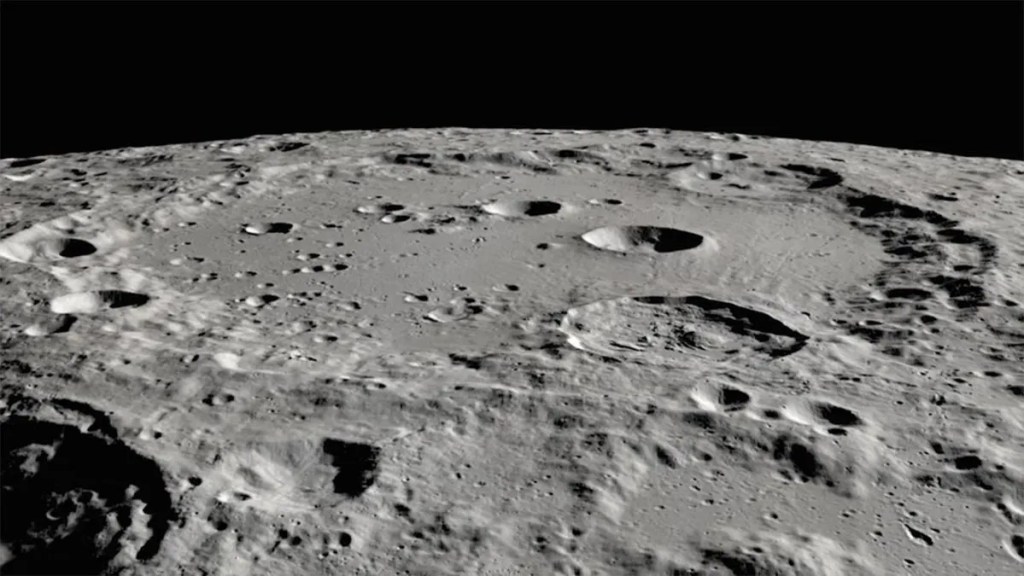
Researchers recently conducted a suborbital flight test aimed at understanding the behavior of lunar regolith, commonly known as moon dust, and its potential detrimental effects on astronauts and equipment as NASA prepares for lunar missions under the Artemis program. This experiment, called the Electrostatic Regolith Interaction Experiment (ERIE), was developed…
 Science News